
Symposium for Peace 2025
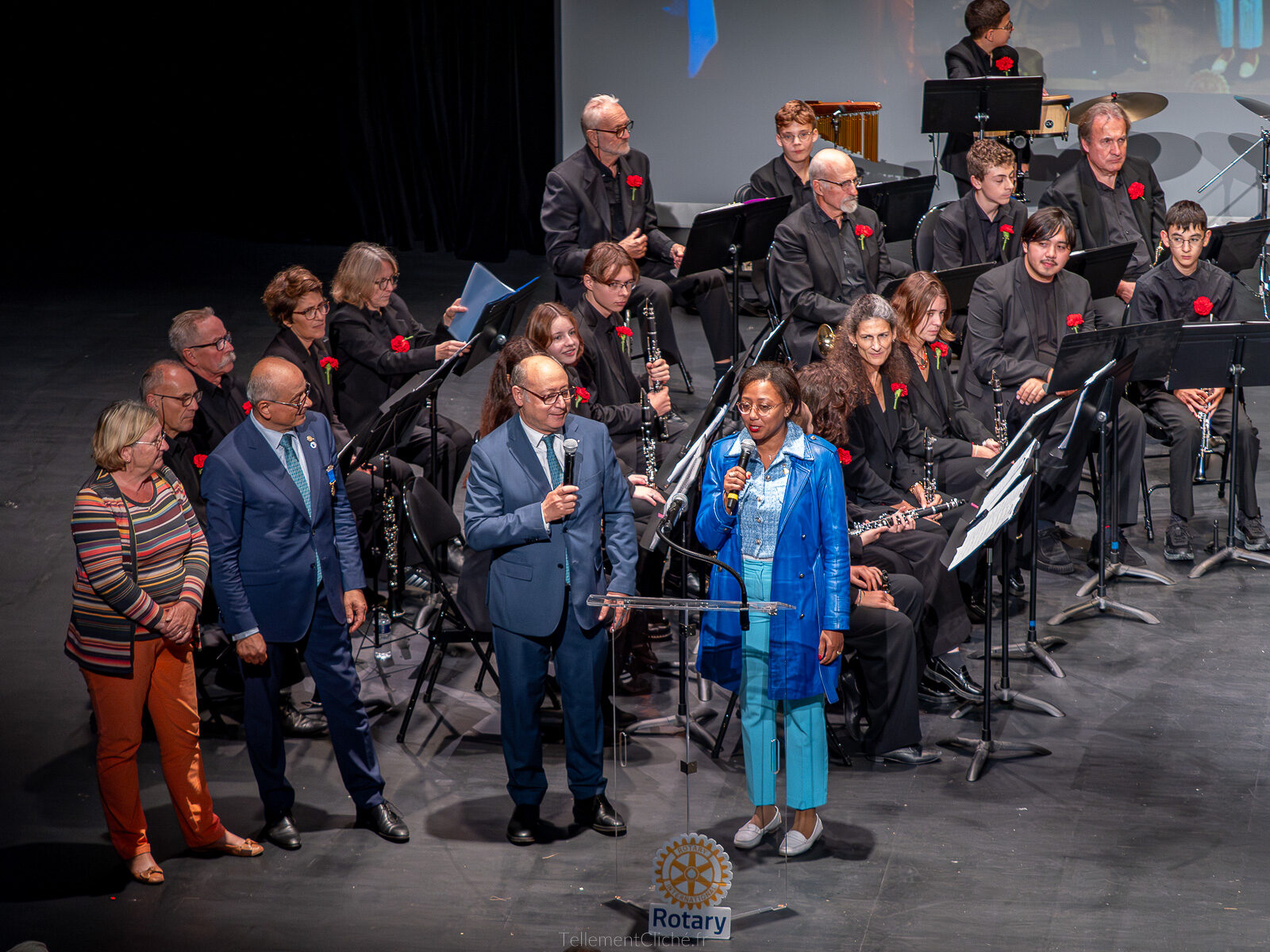
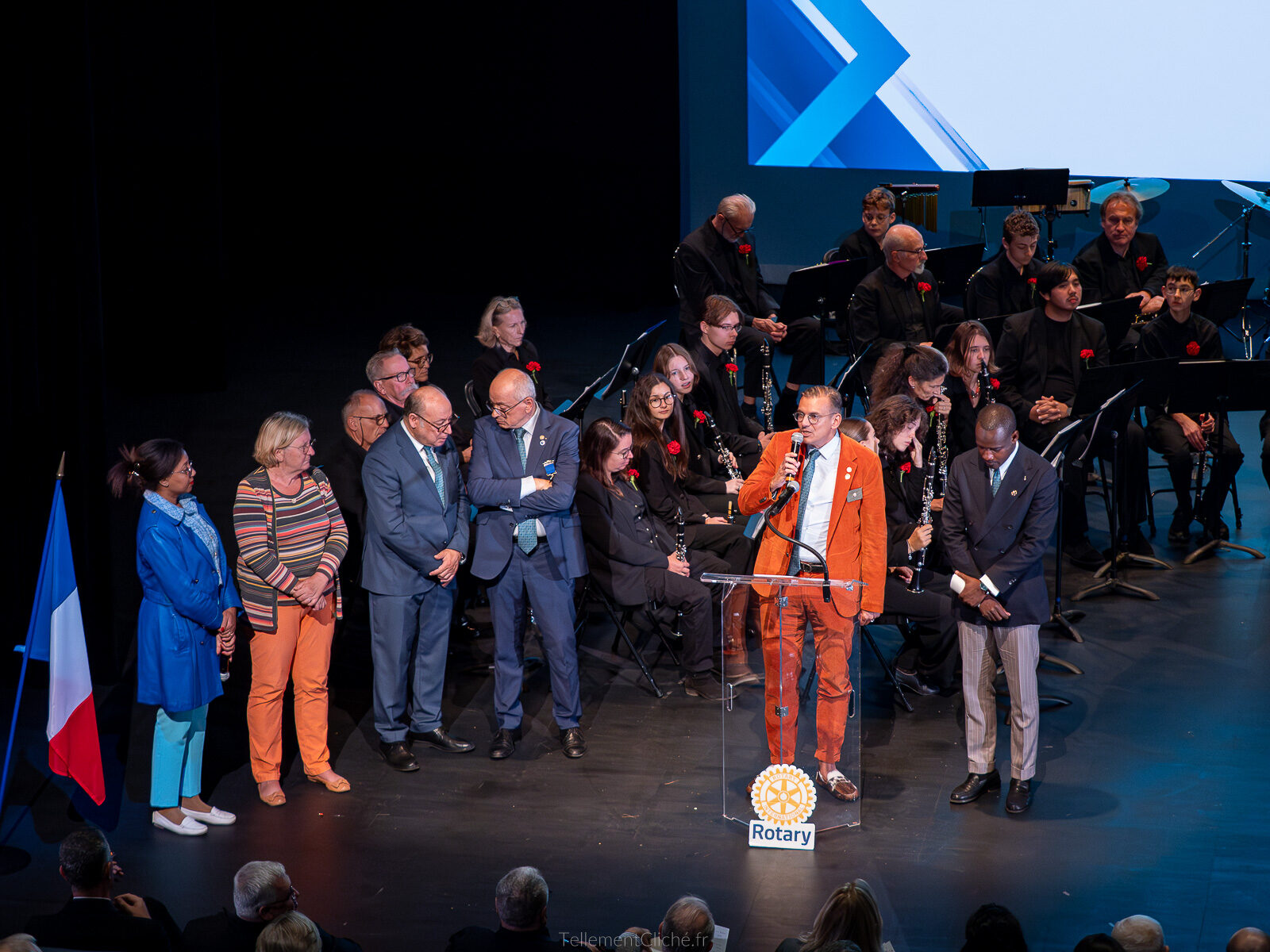
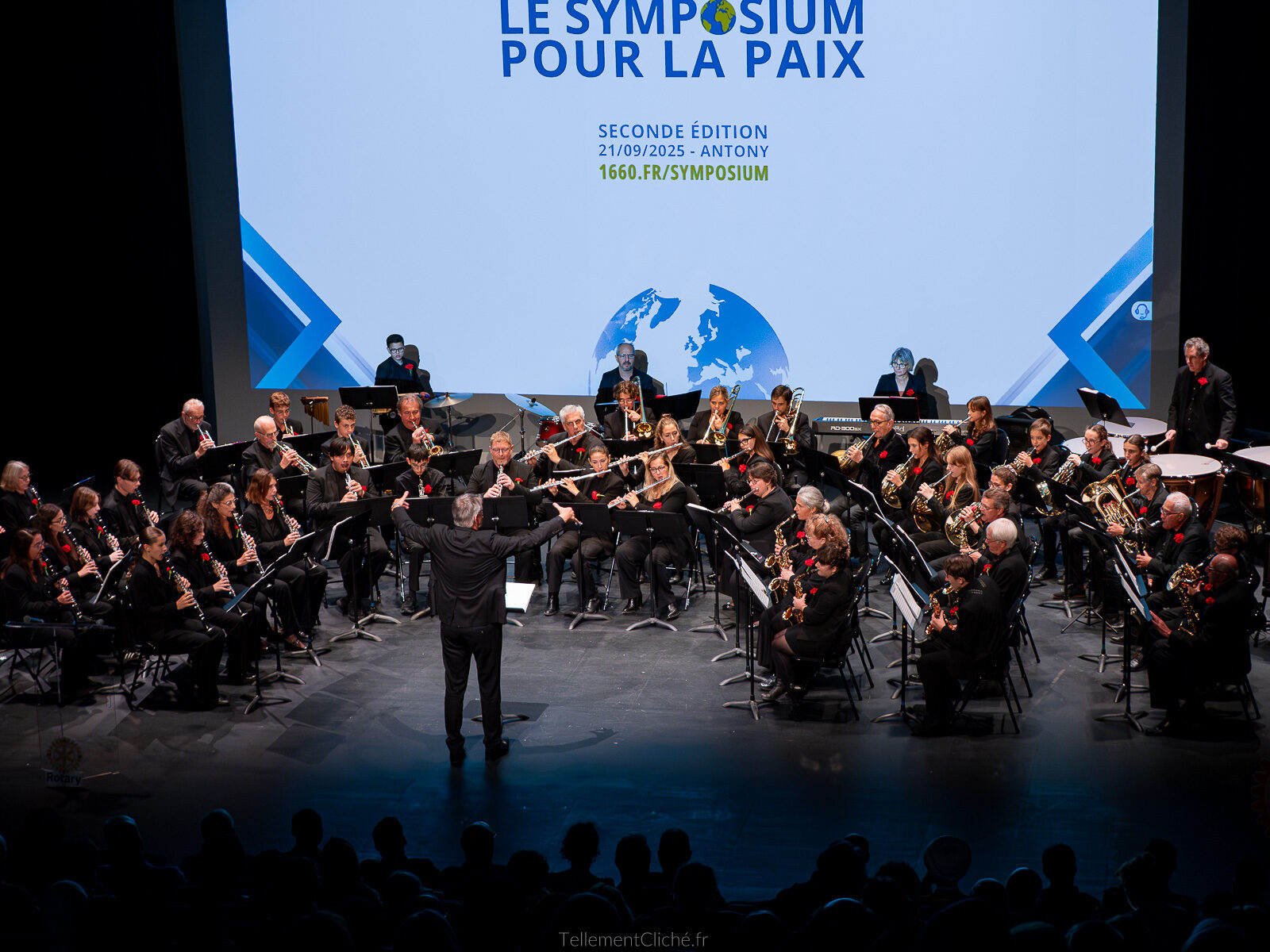
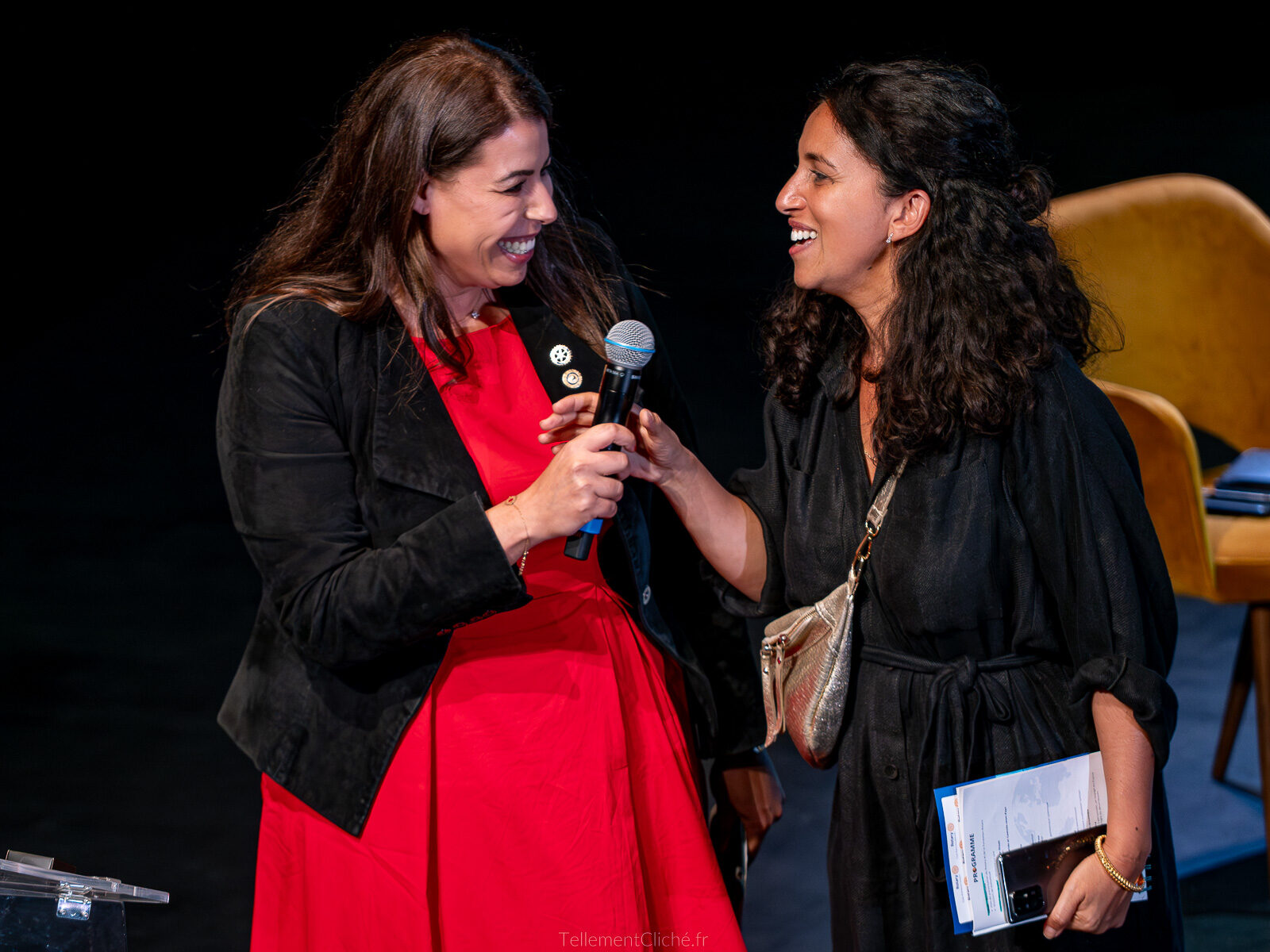
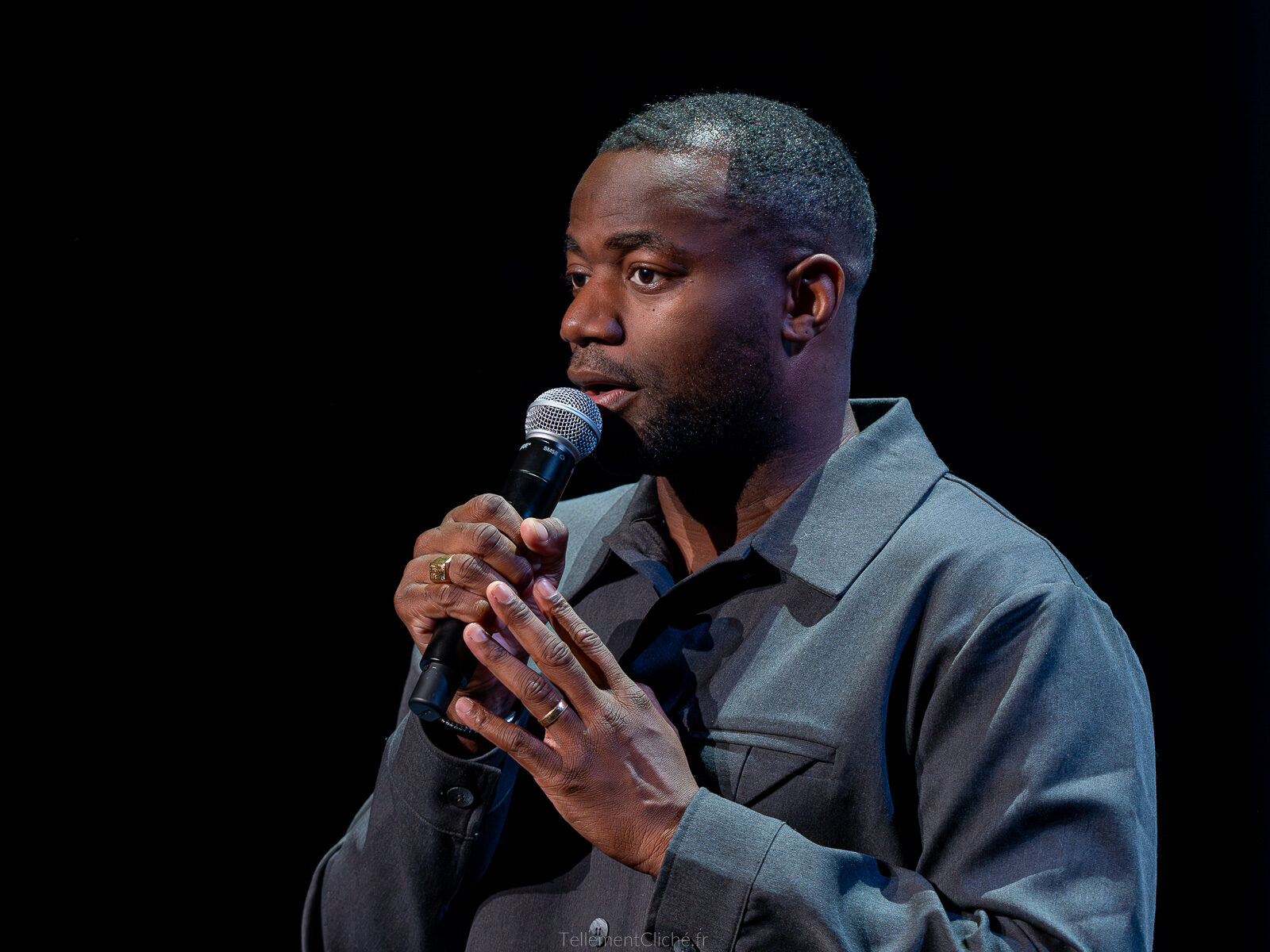
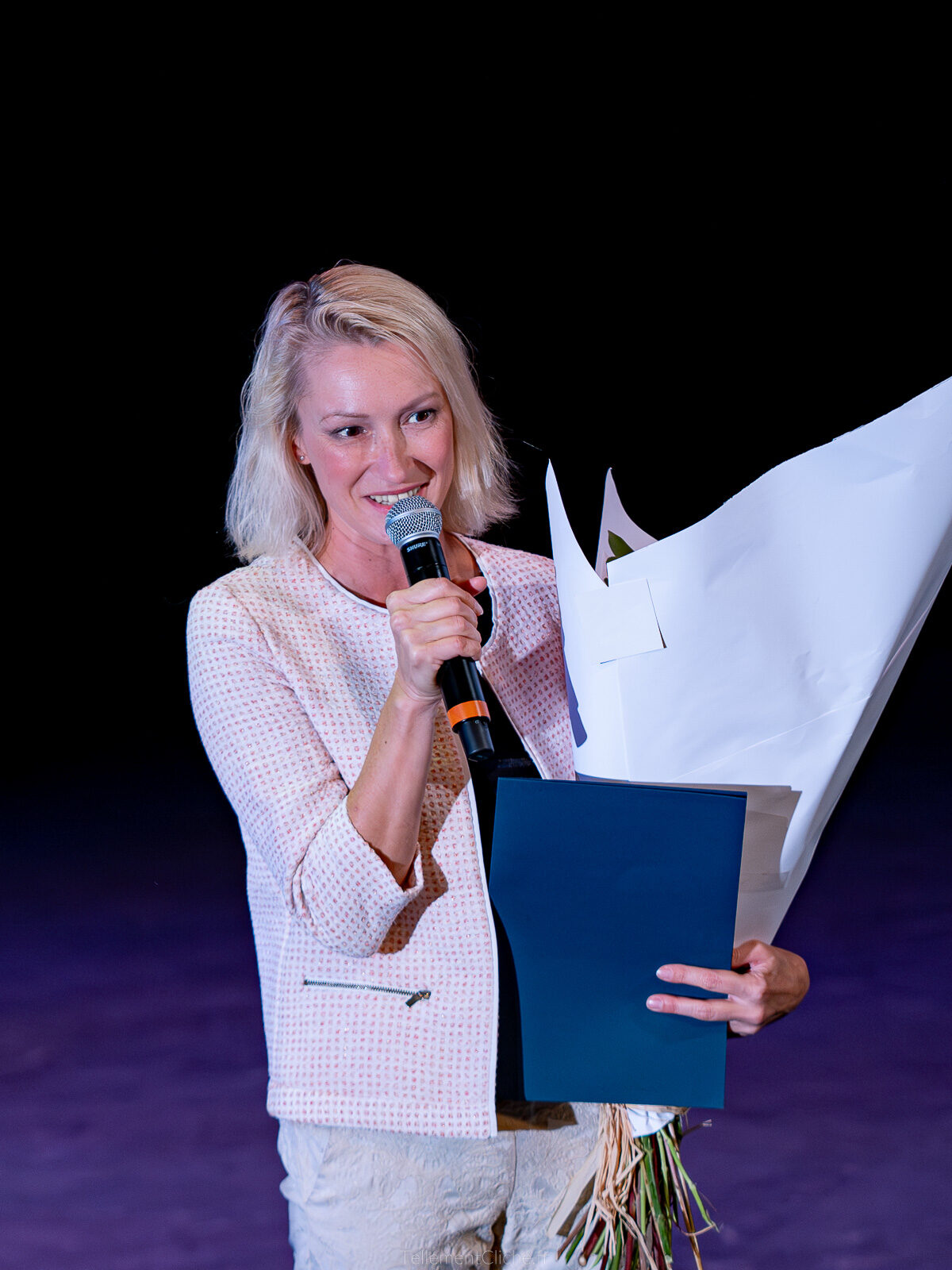
A look back with a selection of photos
Complete album: https://tellementcliche.fr/album/2025-09-21-symposium/
An event open to all to promote positive peace
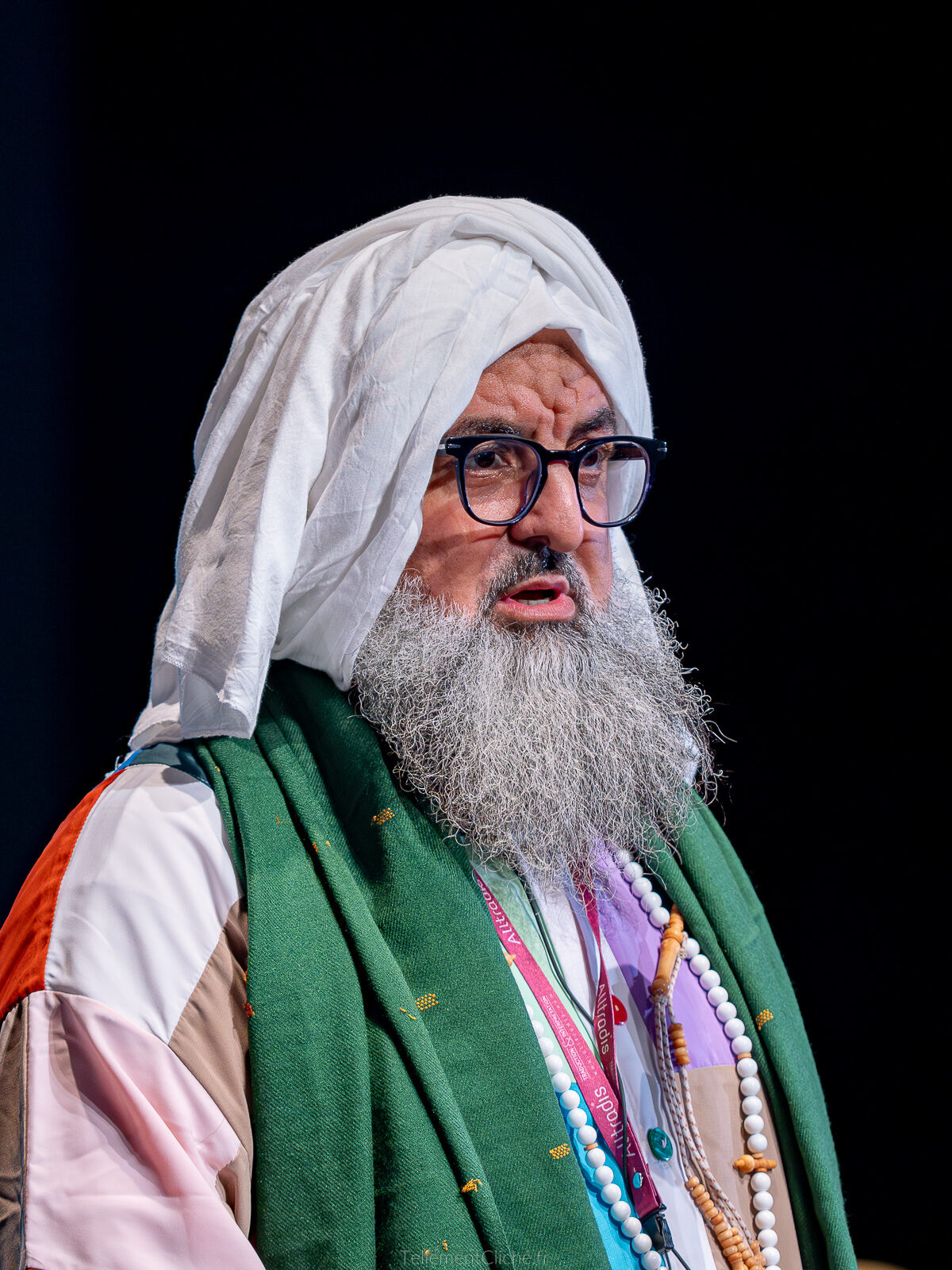
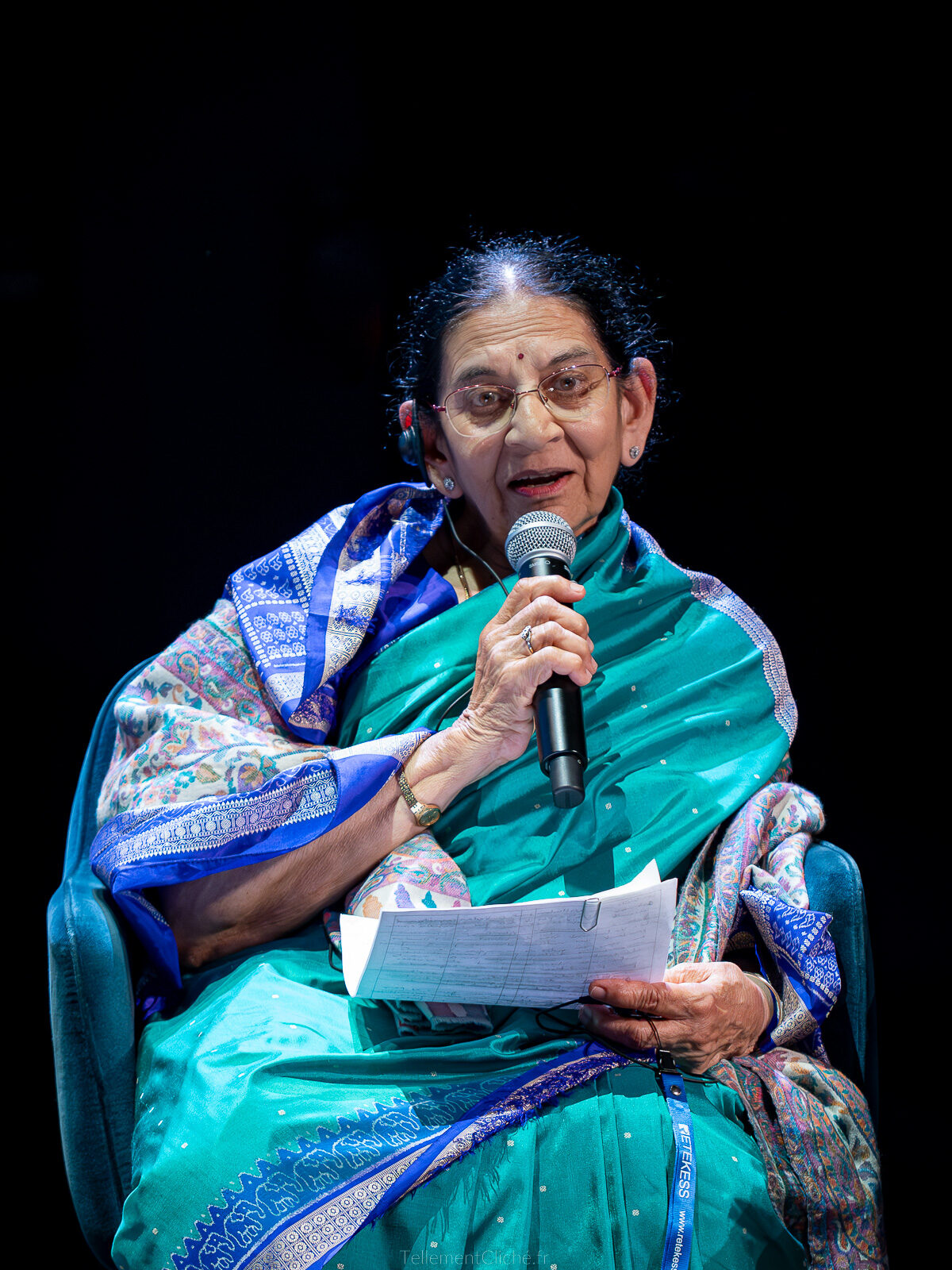
Inspired by the theme chosen by our Mamadou Camara, Governor of our district: «Culture, a vector of peace and mutual understanding» This significant moment of exchange highlighted peacebuilders engaged on the ground, artists, writers, police officers, intellectuals, believers and non-believers, teachers, religious figures, community workers, and more—a mosaic of backgrounds and beliefs embodying the same aspiration: to build bridges rather than walls. The program was structured around four major themes:
- Culture, celebrated in all
- Education, bringing together thinkers, teachers, artists, and academics
- Sports, echoing the success of the Paris Olympic Games
- Secularism, at the heart of this inter-religious and respectful meeting of differences
Homage to the «peacemakers»
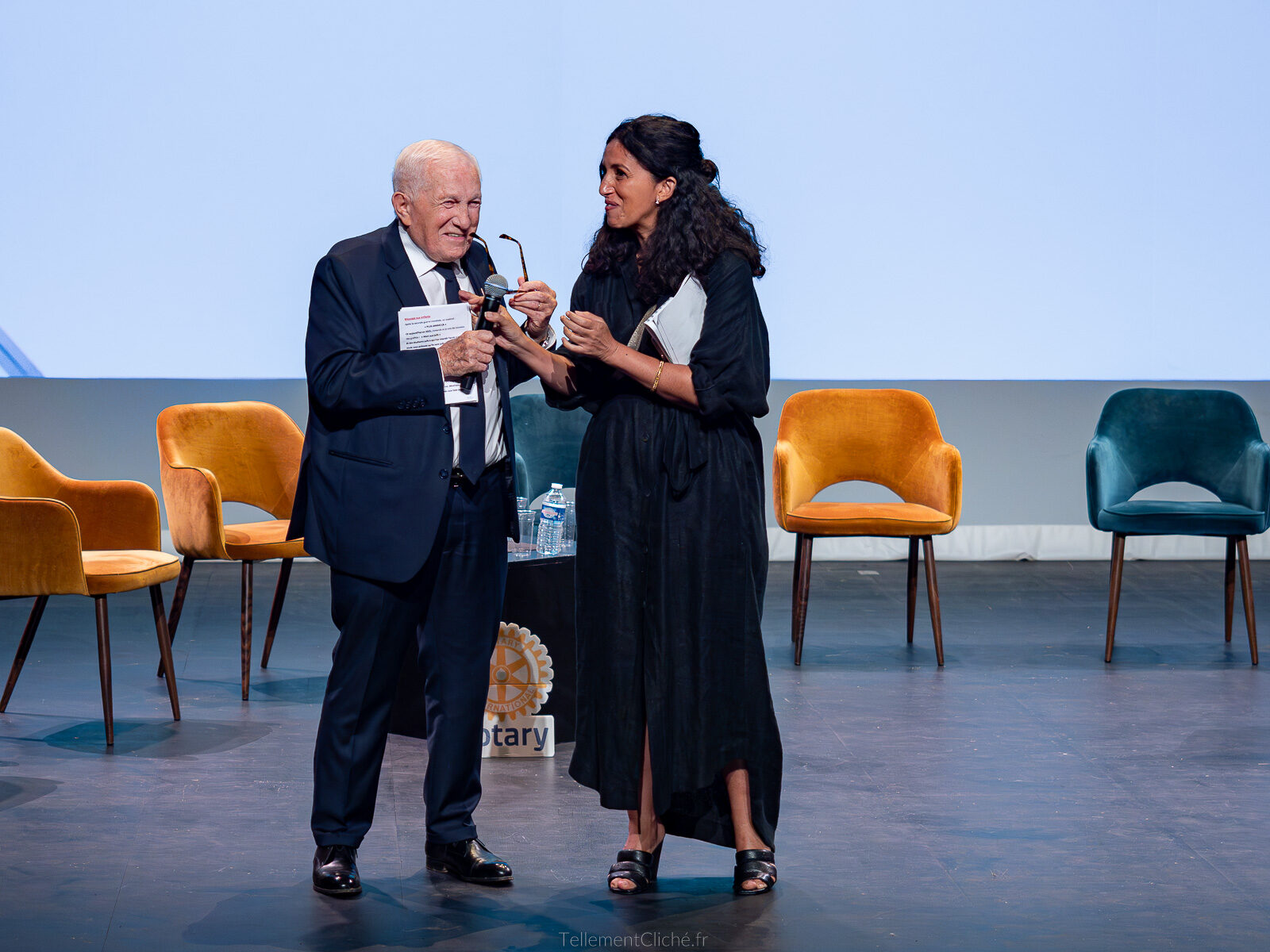
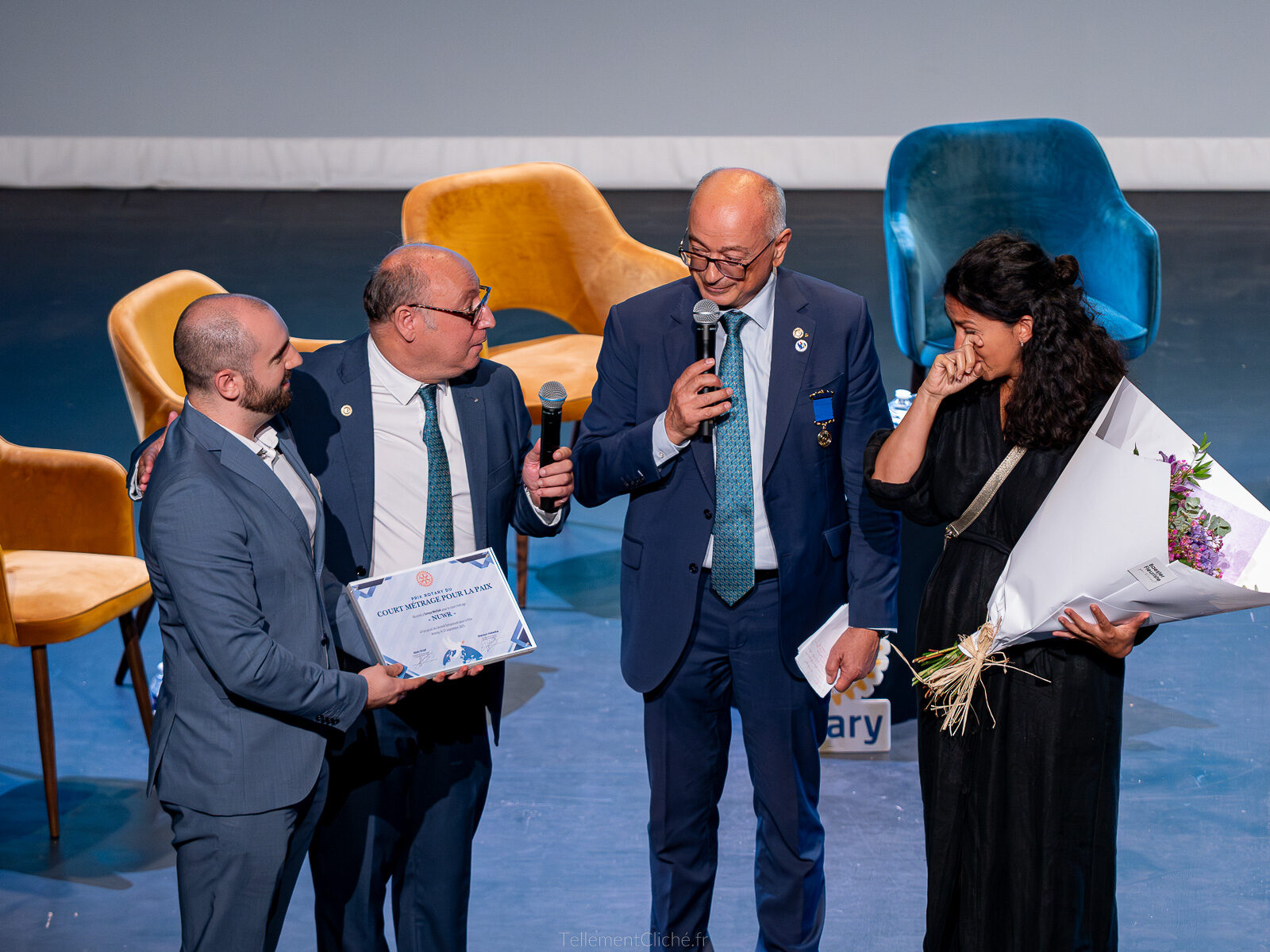
Highlight of the event: the presentation of awards to several «peacemakers,» engaged citizens, whether public figures or more discreet, who work for peace and embody it on a daily basis.
The funds collected were fully paid to the Rotary Foundation. Founded in 1917, the Foundation supports humanitarian, educational, and peace initiatives worldwide. It funds sustainable projects to improve living conditions and promote international understanding.
Full event report
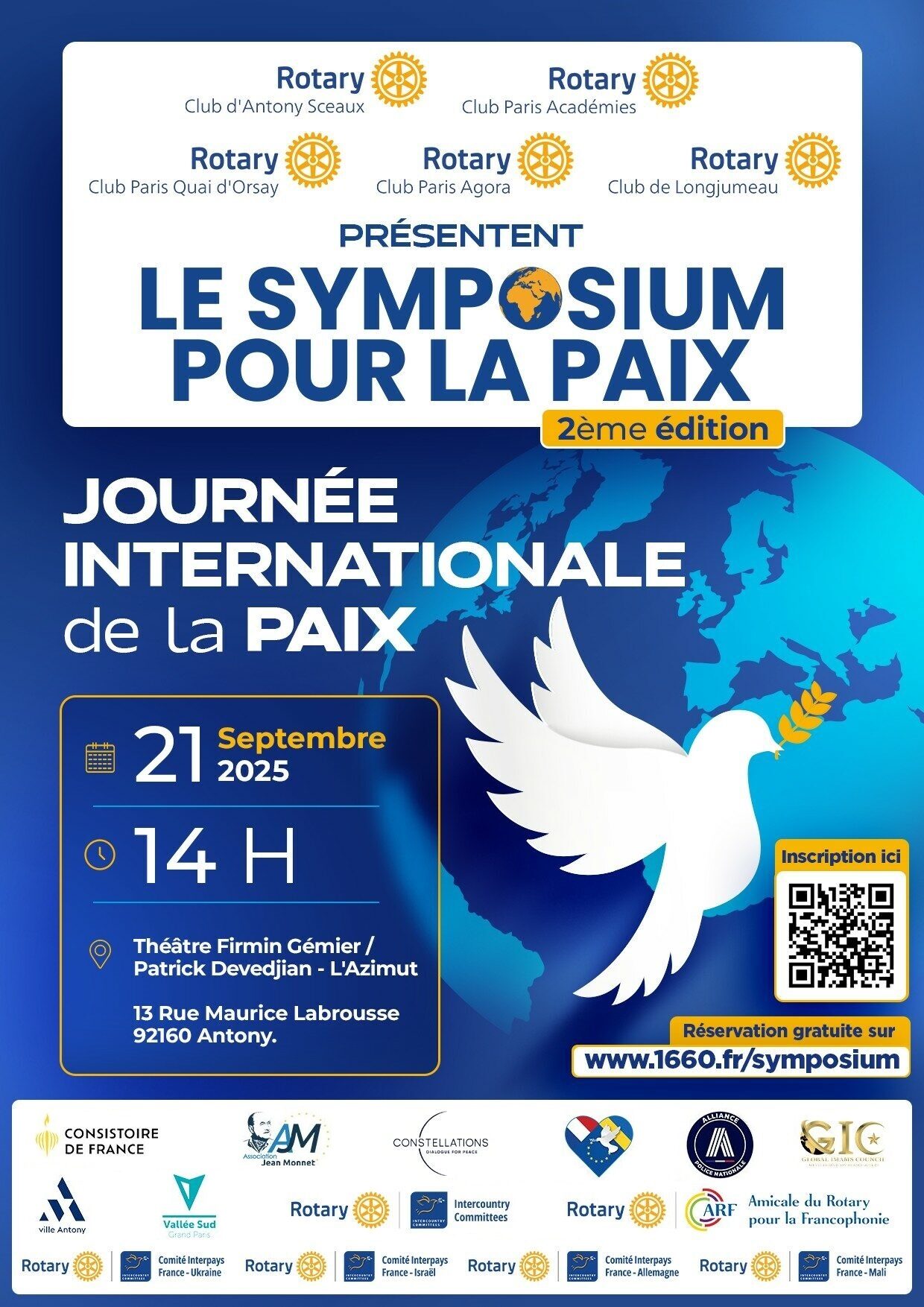
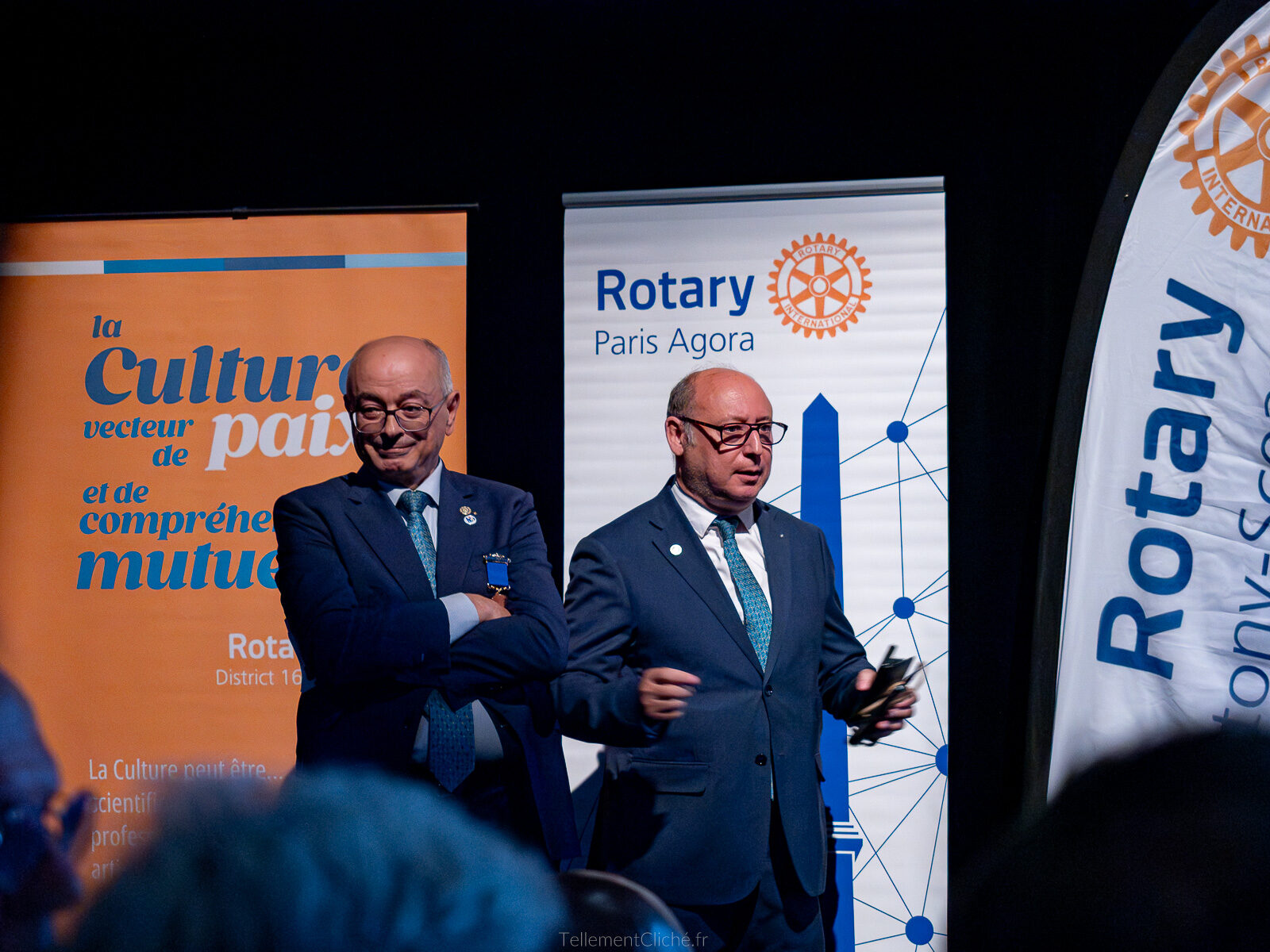
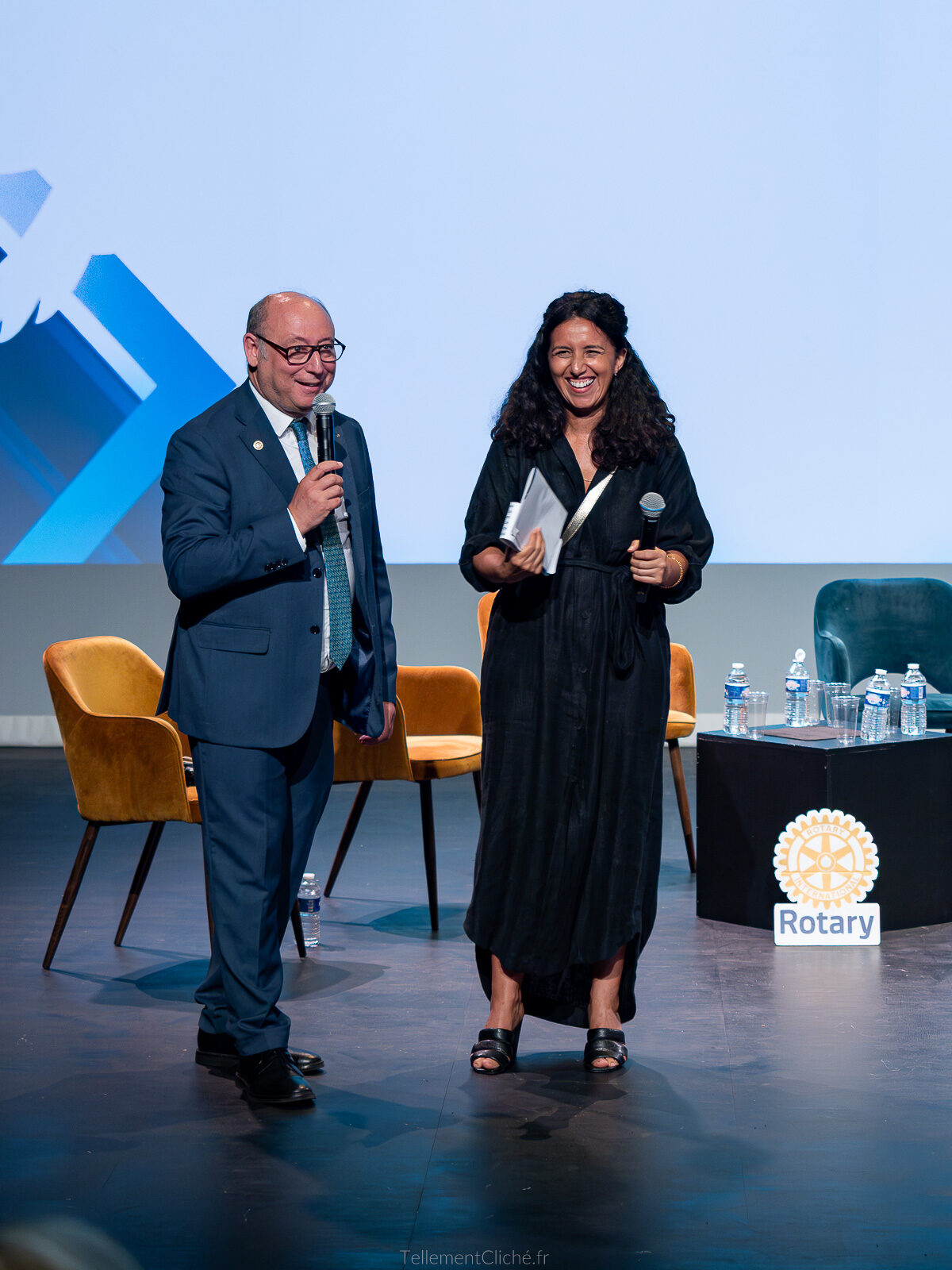
The second symposium for peace, held at the Firmin Gémier / Patrick Devedjian Theater in Antony, coincided with the celebration of the International Day of Peace on September 21, 2025. It was organized at the initiative of Alain Krief and Maroun Hobeika. Following the success of the first peace symposium nearly two years ago at the Great Synagogue of Nazareth in Paris, the bar had been set very high for the organizers of this second symposium.
However, there was nothing to scare them, as the five pilot clubs of Rotary District 1660: Antony-Sceaux, Paris Académies, Paris Agora, Paris Quai d’Orsay, and Longjumeau, largely rose to the challenge. During this event, Rotary not only innovated in its approach but also in its content.
The method: this symposium was the crucible of a total art, deeply rooted in a new aesthetic of conviction. The conviction that it is necessary to bring together people and organizations that never speak to each other. The police, young people from the suburbs, representatives of religious groups, association leaders, senior civil servants, politicians, artists... The conviction that it is necessary to burst the bubbles in which they have taken refuge.
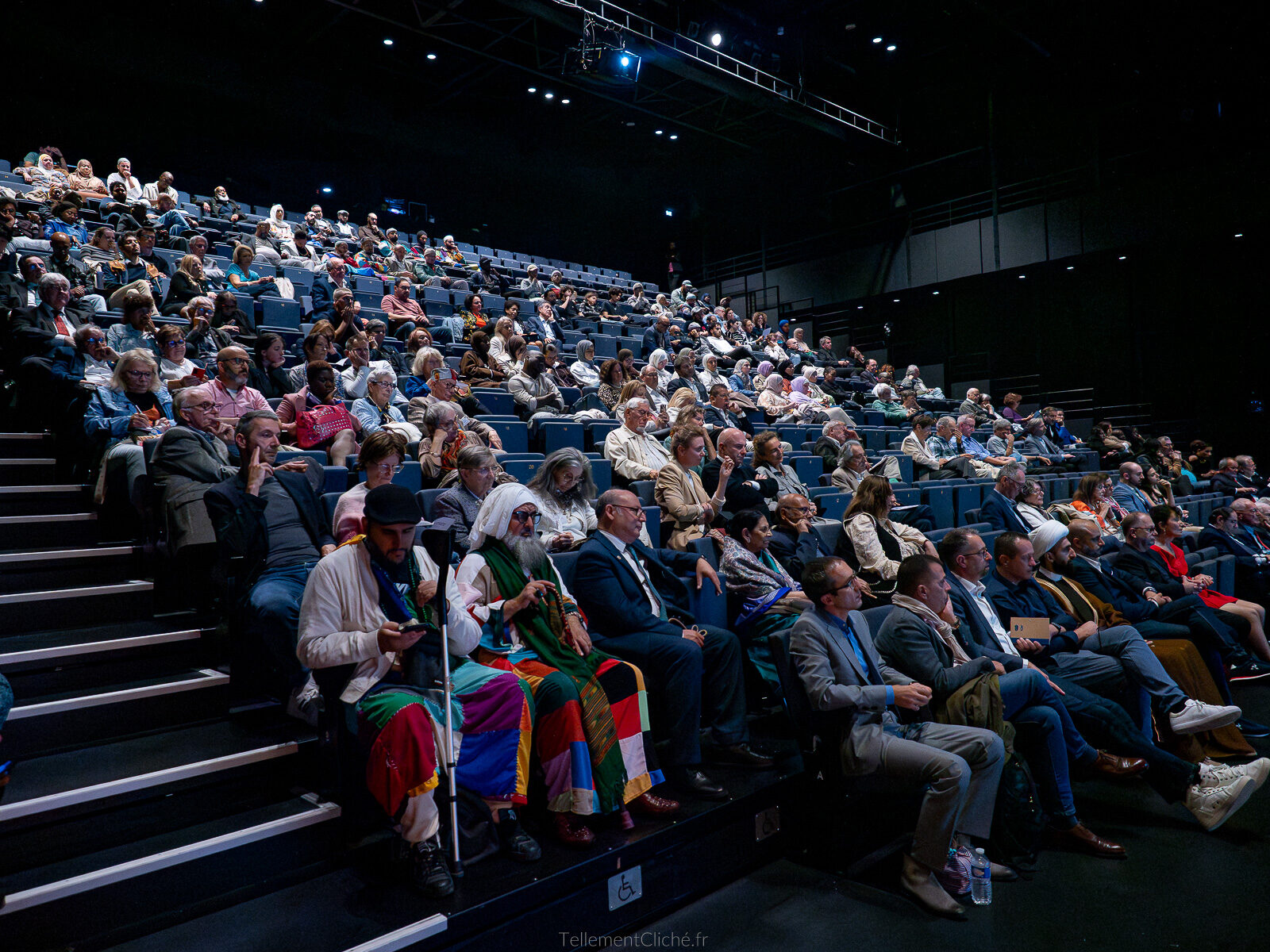
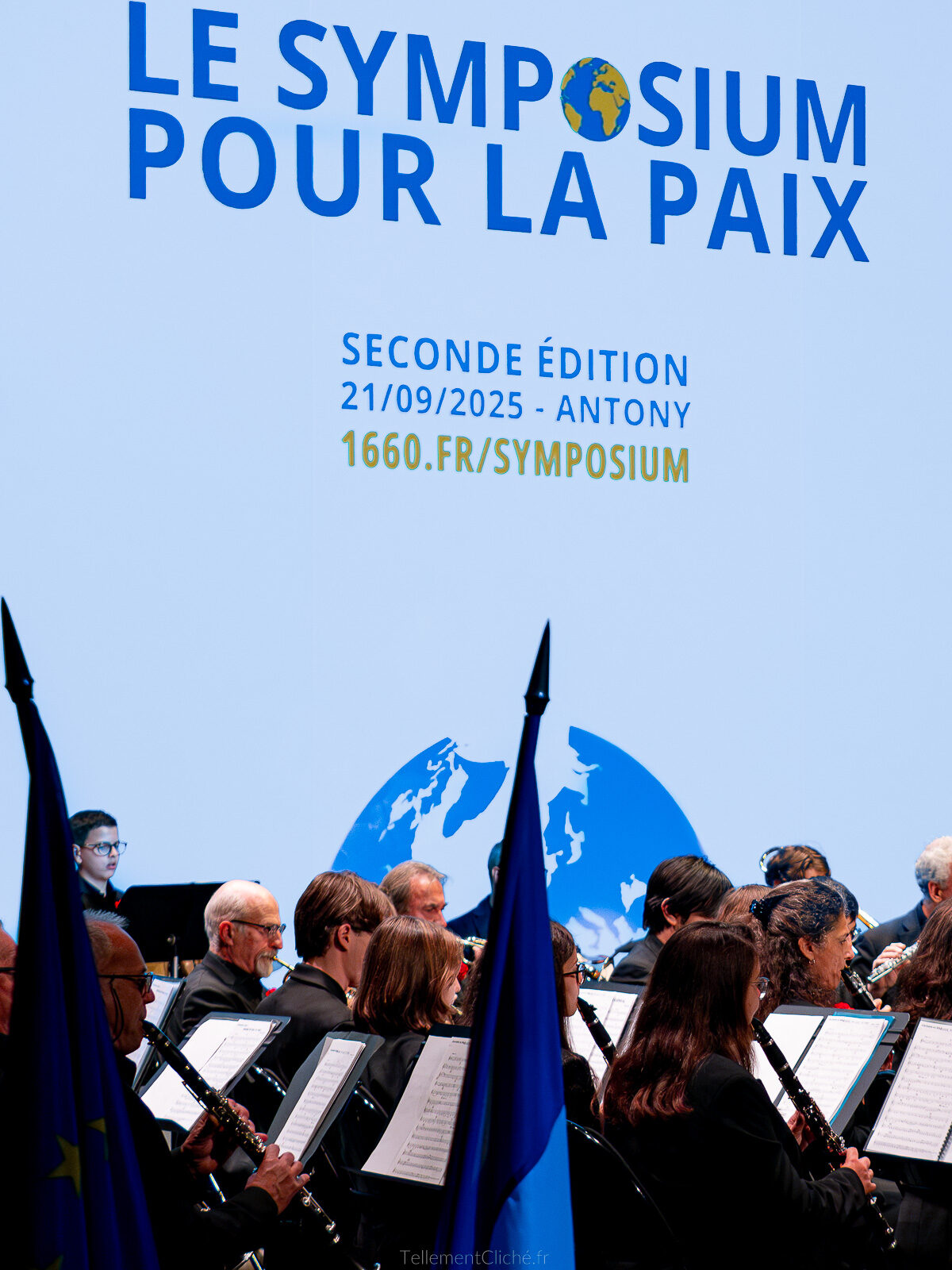
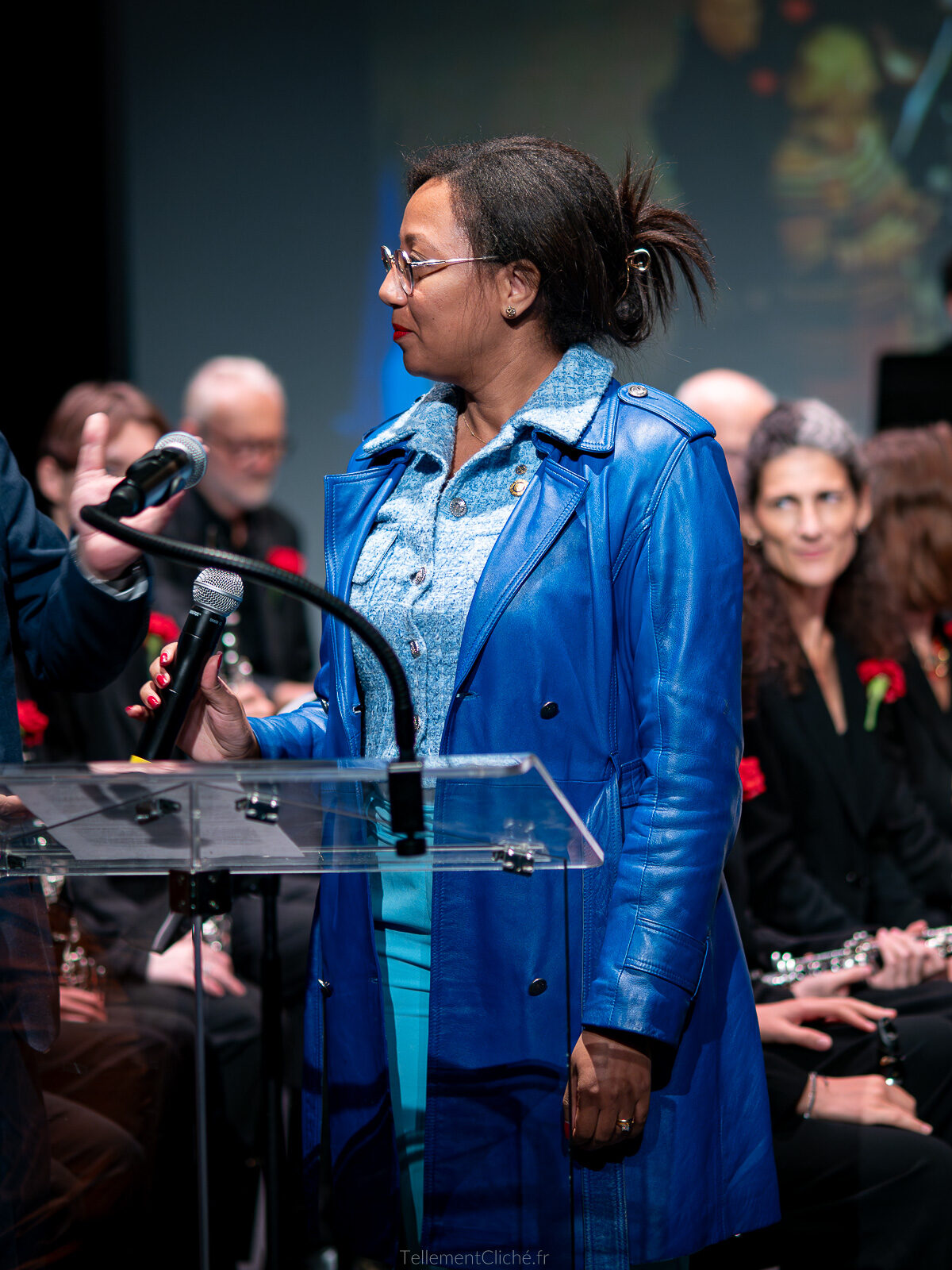
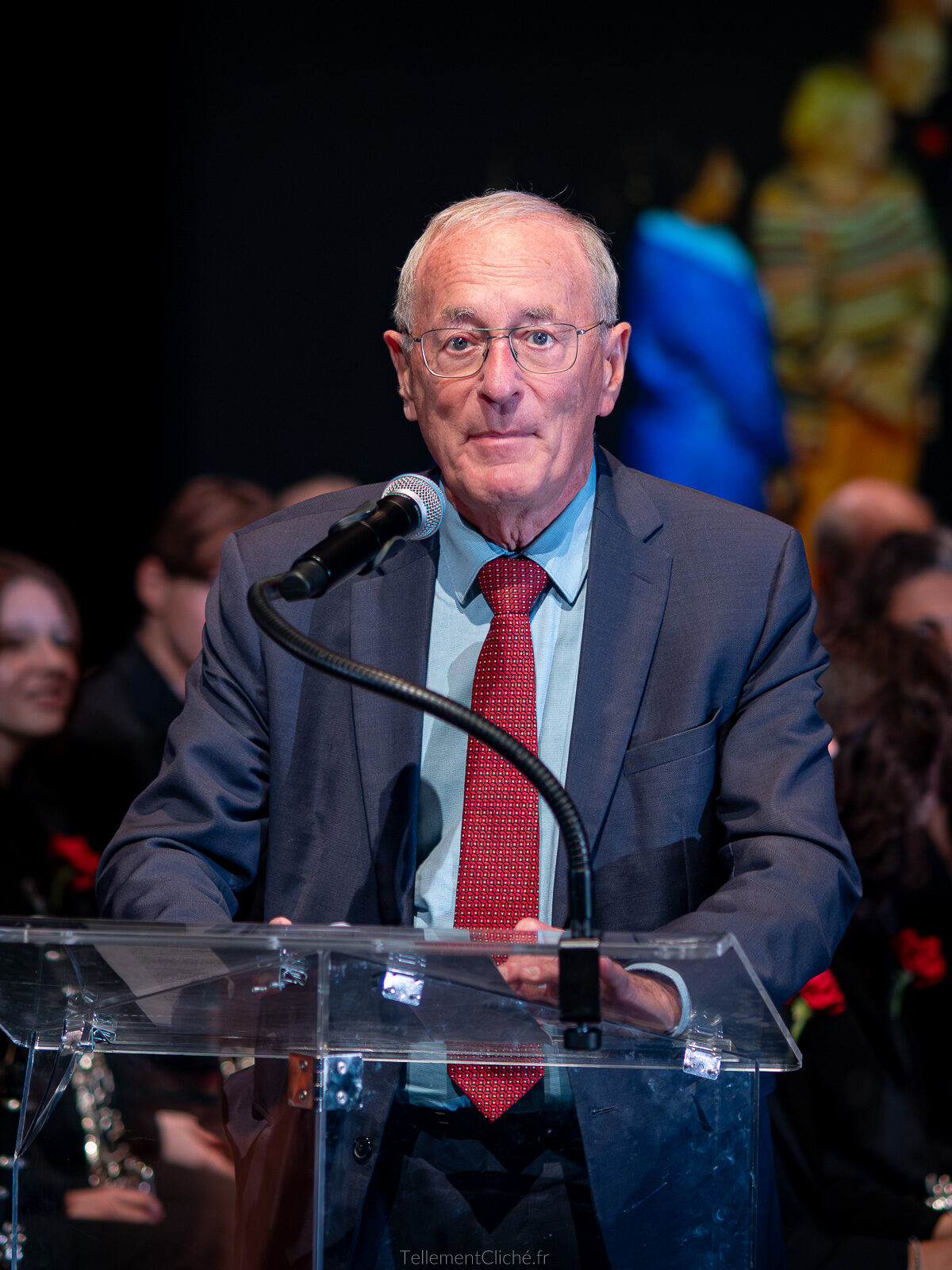
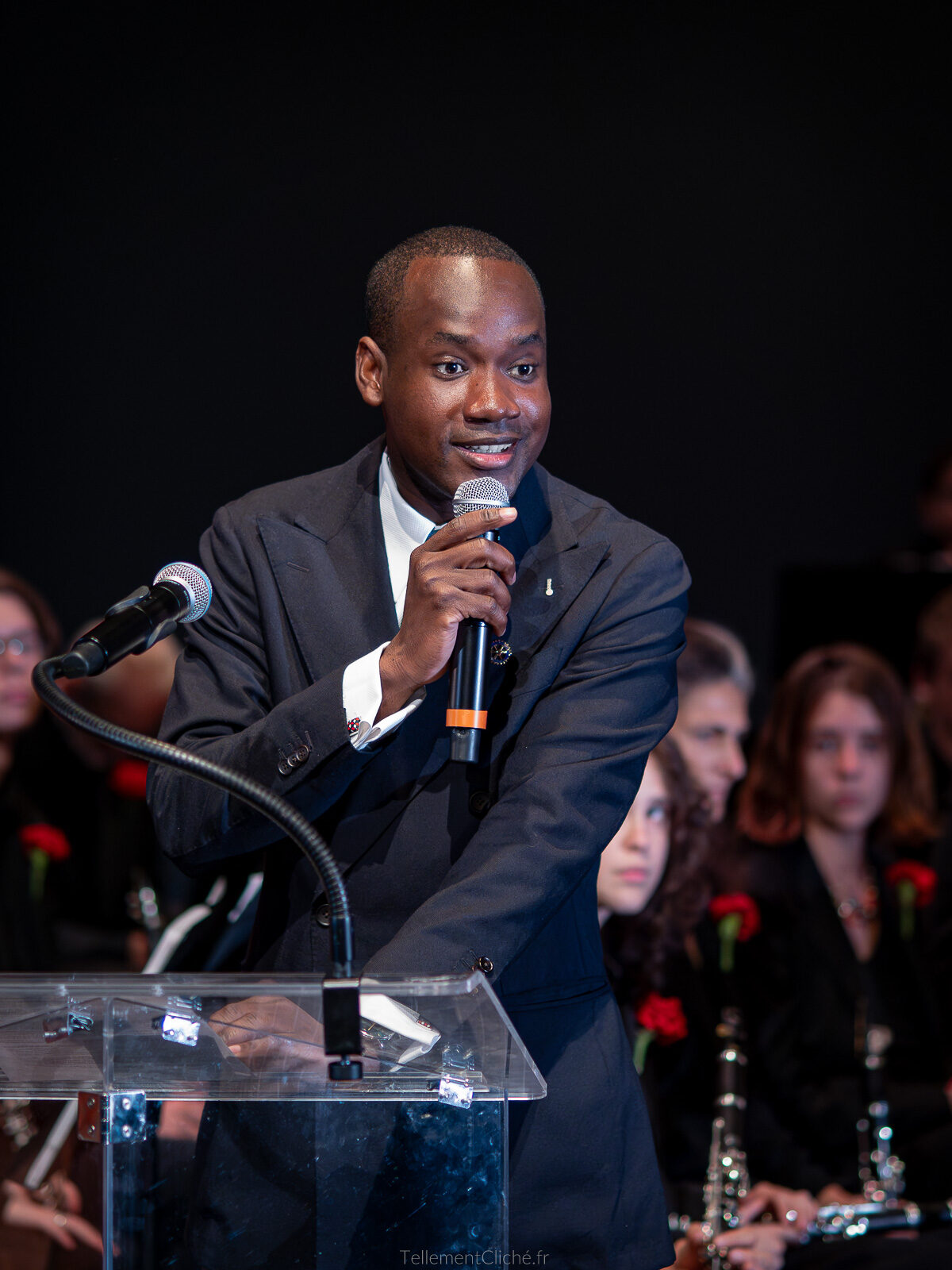
A truly social event, this symposium sought not only to celebrate cultural diversity but also to convey a powerful message of peace through music (a big thank you to the Lyre du Plessis Robinson orchestra, comprising some 70 musicians, and its conductor Philippe Hervé; thanks also to the Darling Flow Duo), cinema and theater (award for Sonya Mellah’s film NUWR), dance (through the performance of the young Alicia Fartunina), and rhetoric. Amid this whirlwind of sensations, the large audience (more than five hundred people) was captivated and moved by the emotion.
The testimonies of Salomon Milgrom, a 94-year-old Holocaust survivor, blending depth and lightness, love and humor, only reinforced this feeling.
The subject: Beyond creating a space for dialogue and debate, the cornerstone of this second symposium was to talk about all that brings us together and unites us, rather than what divides and separates us. The media, political discourse, and the instrumentalization of religions polarize rivalries and constantly seek to find scapegoats. Culture, education, and sports are, conversely, antidotes to hatred and division.
They do not fight the symptoms of evil but its roots. We believe it is possible to identify subjects that connect us in our human condition. Peace can thus unite: a condition for prosperity, politicians of both the left and right claim it. Parents endorse it, as it is always extremely unjust and painful for them to bury their children. Culture, education, and sports should not be the privilege of a few but practices that everyone can benefit from if they wish, and engage in with other people.
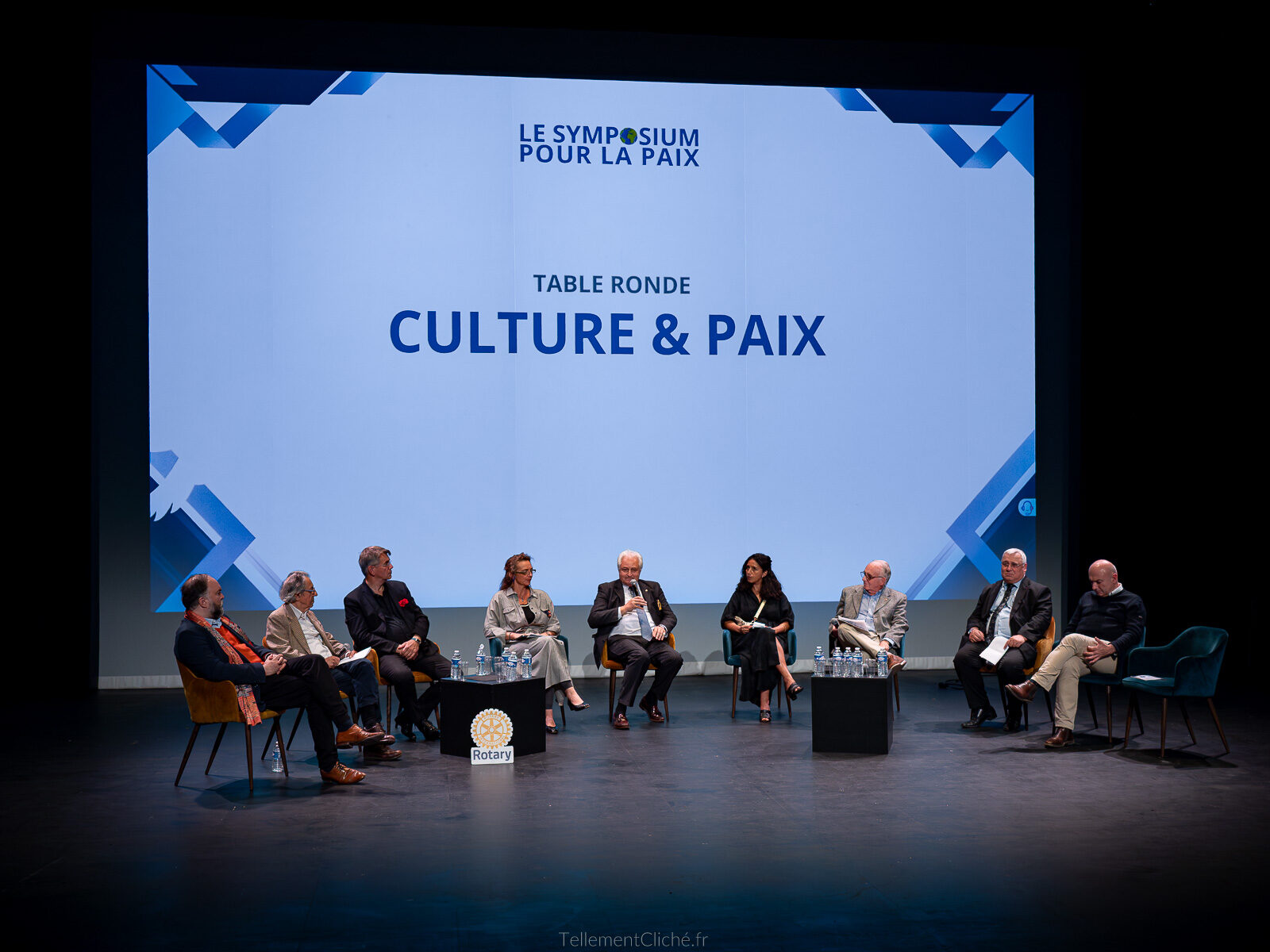
The first roundtable on culture aimed to show that it consists of sublimating the cruelty within and around us. It therefore has strong therapeutic potential but can also descend into unbridled violence. Cult and culture are close, and the concept of forgiveness can help connect them.
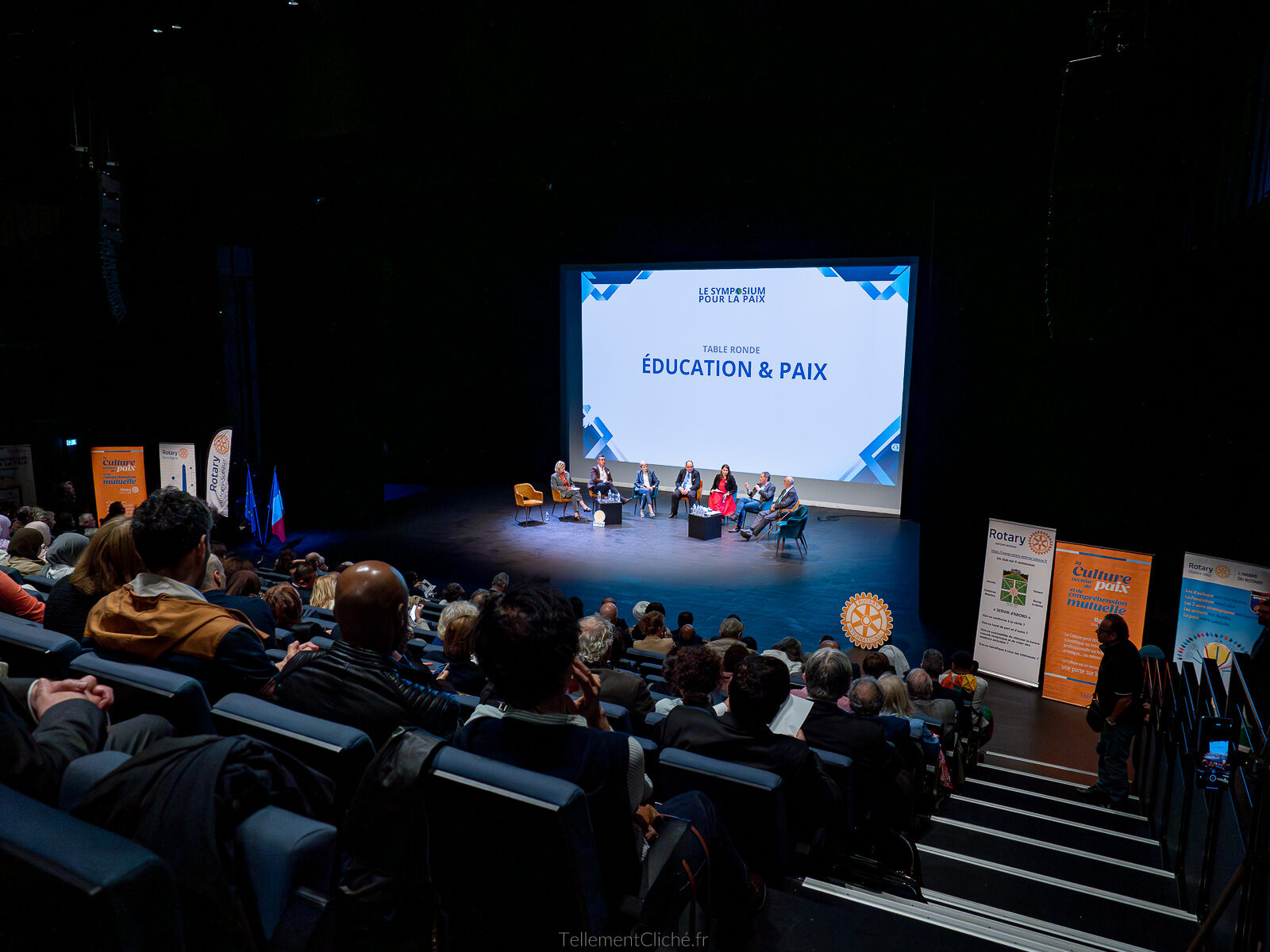
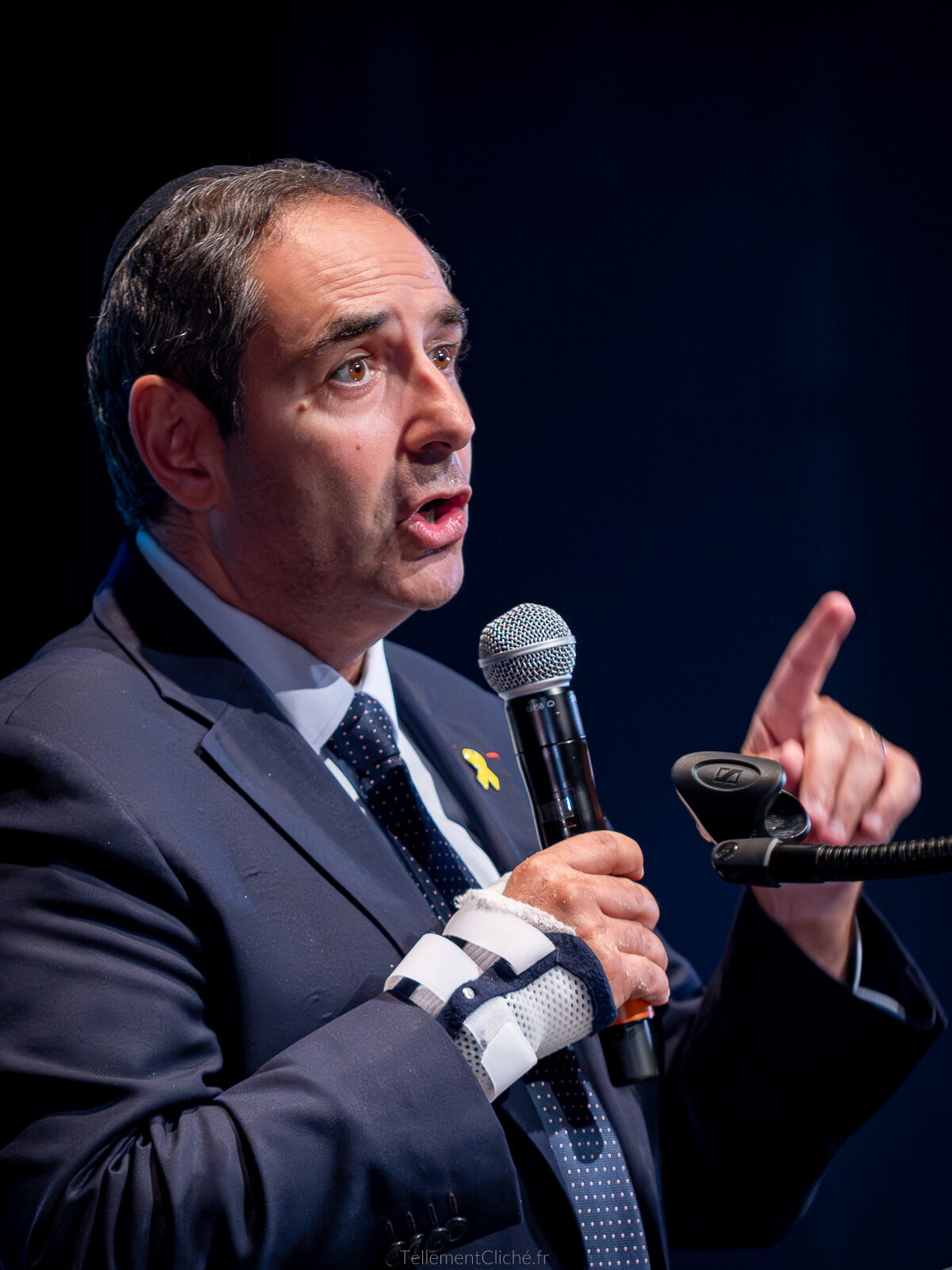
The roundtable on education was honored by beautiful contributions: educating oneself means forming and transforming oneself. It is the learning of otherness outside the family setting. Transmission is fundamental, although it has become impossible on certain subjects today. Critical thinking is formed and transformed at school. Creating citizens, that is one of the most arduous tasks that teachers face with their students.
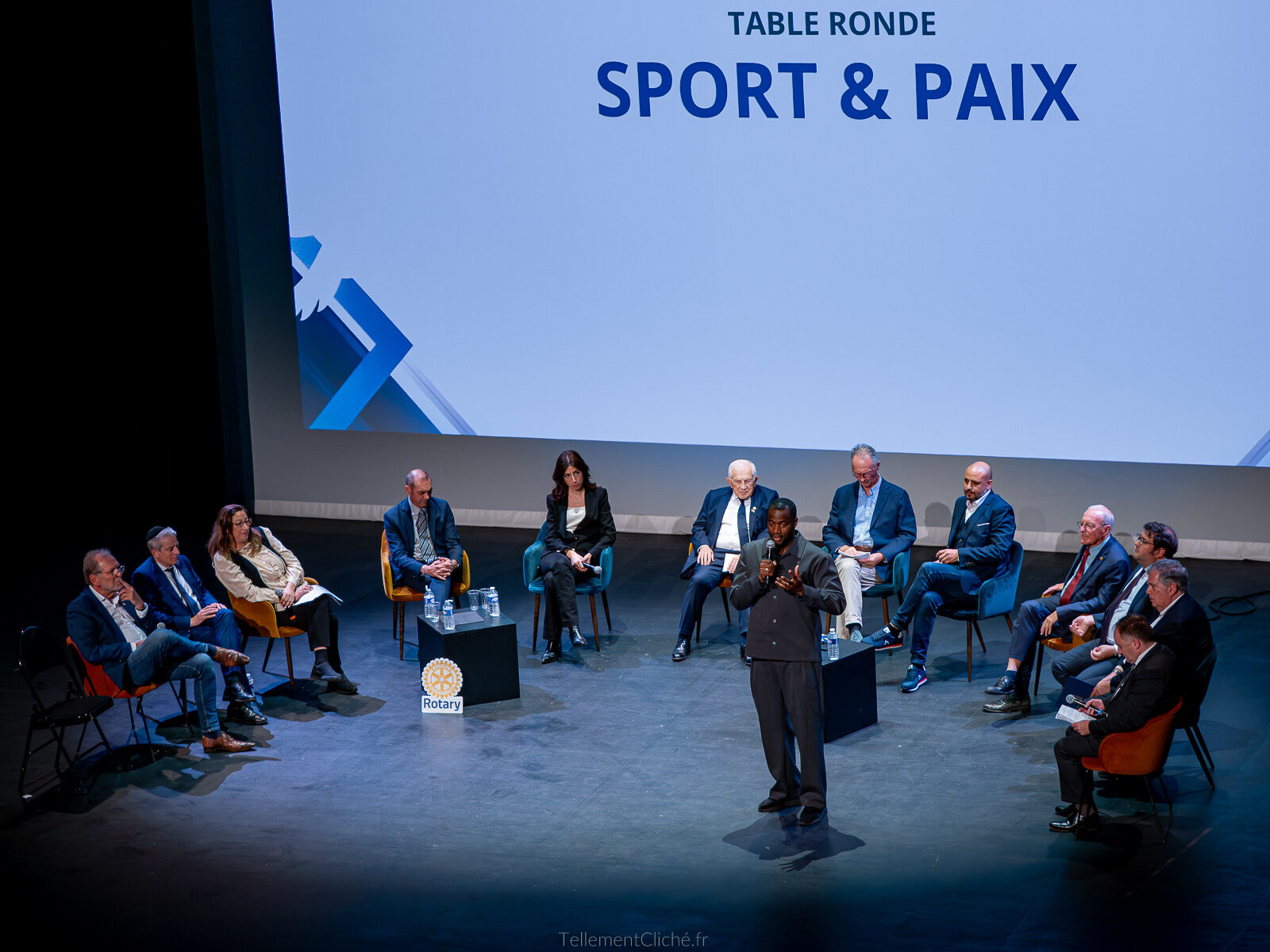
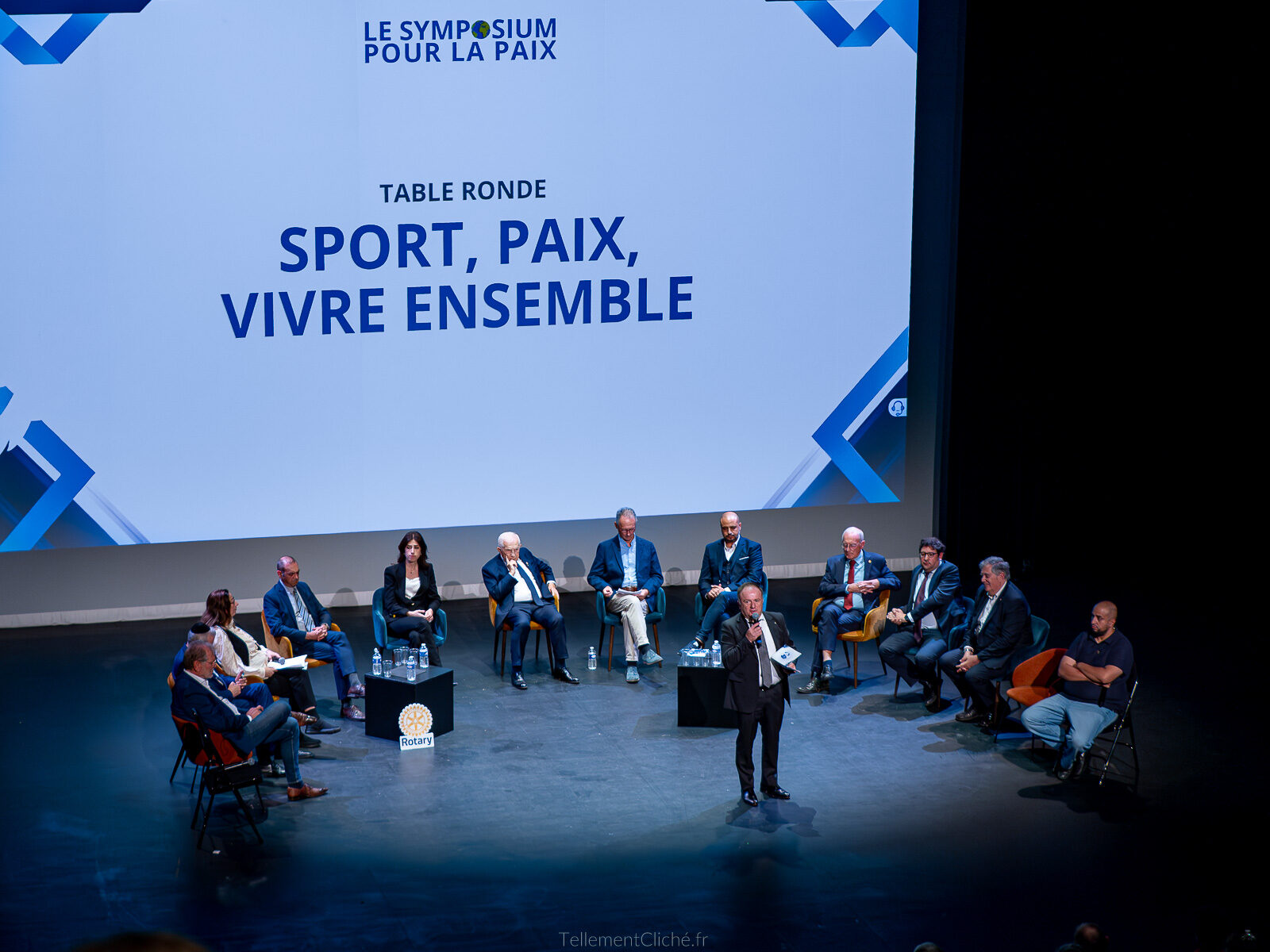
The roundtable discussion on sports was led by very inspired speakers, for lack of having sweated much. Sport has a universal character, as shown by the Paris 2024 Olympic and Paralympic Games. The different faiths coexisted very well during the Olympic Games: sports performance overshadowing religious or ethnic affiliation.
Aesthetics of conviction, ethics of responsibility: this symposium aimed to step into the shoes of decision-makers. It thus honored «peacemakers» from very different backgrounds with Rotary distinctions (Paul Harris Fellows). Thus, through positive peace, the symposium sought to address the root causes of evil rather than lamenting them. This is a difficult and steep path, as peace compels us to find a balance through diplomacy between humanism and barbarism, speech and violence, reason and passion, ethics and aesthetics... Yet, it is a worthwhile endeavor! Seeking to transform oneself before changing others was the main lesson of this second symposium.
From ascendant to descendant: that was the method of the first symposium, two years ago. From descendant to ascendant: this is the philosophy of this second symposium, which has therefore made its revolution. As such, the room was able to ask many questions and challenge the speakers in their certainties.
Paul Harris said,« Rotary will secure its future through continuous evolution—and even through revolutionary changes, if necessary ».
Do not succumb to the fatality of evil, for doing good is revolutionary.
United to do good.
Franck Krief, Liliane Perez, Donia Abidat, Pierre-Marie Achart.
Complete album: https://tellementcliche.fr/album/2025-09-21-symposium/
 Français
 English